Becoming Beninese
This is the final stretch. Below: the people who came before you, when ceremonies happen, how to share your own journey as you go, and what the trip itself is actually like.
Ambassadors & faces
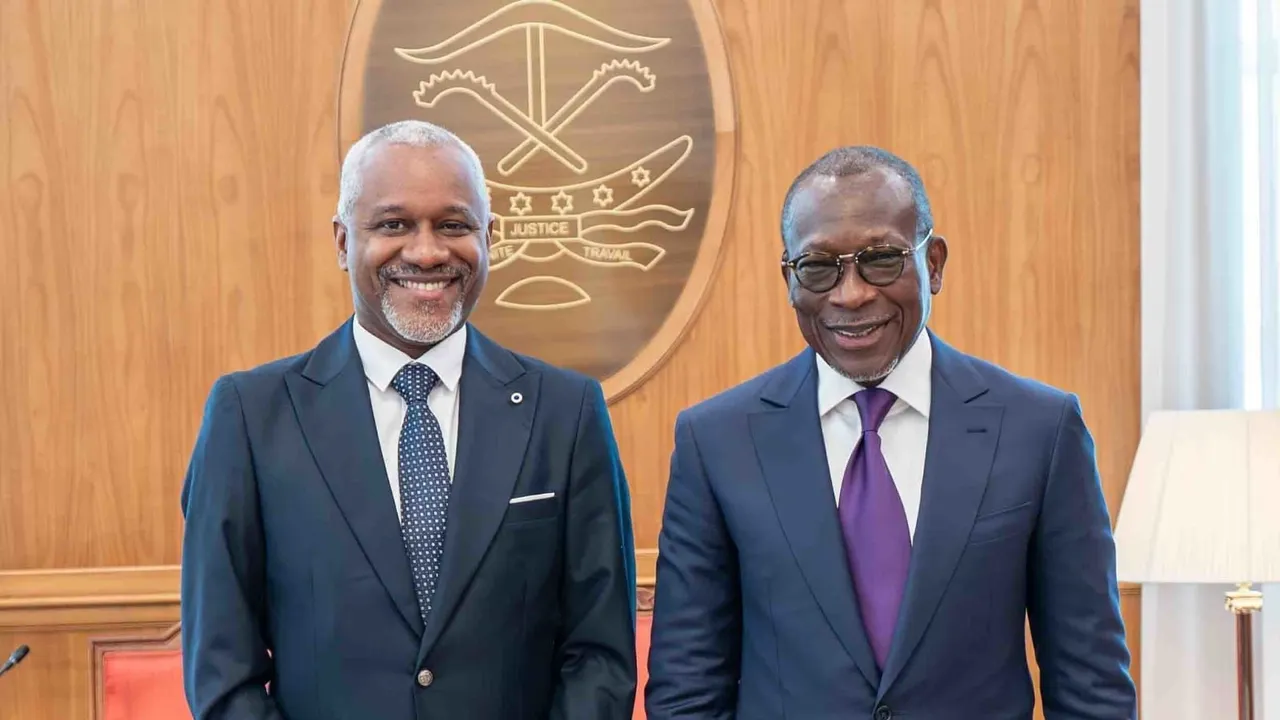
Maître George Emmanuel Germany 🇧🇯
Ambassador to the Afro-descendant Diaspora, Caribbean – Dec 18, 2024
The person who says the ancestors gave him a mission to make this program a reality for all of us – something he dedicated years to advocating for, until finally finding a way. Former president of the bar association of Martinique, and now heading promotion of the program across the Caribbean.
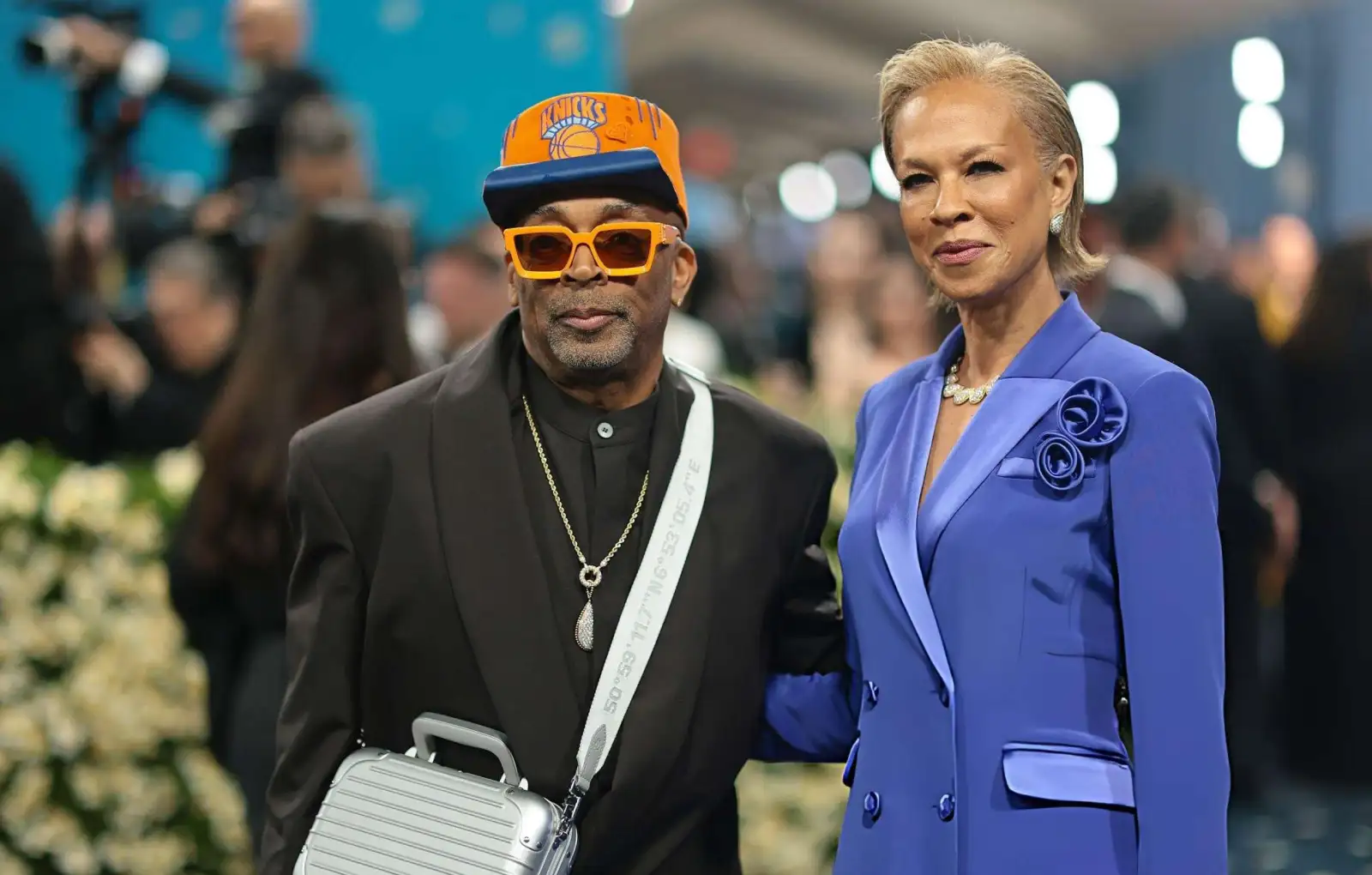
Tonya Lewis Lee 🇧🇯
Ambassador to the Soulaani/Black American Diaspora – July 23, 2025
Producer, author, activist, and recognized Beninese citizen.
Spike Lee
Ambassador to the Soulaani/Black American Diaspora – July 23, 2025
Filmmaker. In a France 24 interview around the Sept 2025 UN General Assembly, said, "Benin's brothers and sisters are calling the diaspora home, back to the Motherland and their roots."

Ciara 🇧🇯
First high-profile recipient – Cotonou ceremony, July 26, 2025
Grammy-winning R&B artist. Brought to tears accepting her certificate, she said, "I feel incredibly proud. The significance of this moment is so special." She also performed at Vodun Days 2026 in Ouidah alongside Angélique Kidjo and Davido – on the same beach where her ancestors once boarded ships.
Sueli Carneiro 🇧🇯
Philosopher & activist, Brazil – recognized Dec 2024, passport presented Feb 27, 2026
Leading figure of Brazil's Black movement and the first Brazilian recognized as a Beninese citizen under the law. Said: "What matters to me isn't the place of exception, nor the title of 'first,' but the possibility that this gesture opens paths, so many other Black women and Black Brazilians can access this right, not as a concession, but as part of a process of recognition and historical reparation." Her citizenship ceremony was documented for the film Mulheres Negras em Rotas de Liberdade ("Black Women on Freedom Routes").
Olivier Serva 🇧🇯
Member of the French National Assembly, Guadeloupe – citizenship decree signed May 21, 2025
Traced his ancestry to the former Kingdom of Dahomey through DNA testing and genealogical research. After visiting the Door of No Return in Ouidah, said: "Thinking that your ancestors passed through there, I came out of it overwhelmed." Describes the citizenship as both a personal homecoming and a response to what he calls rising xenophobic rhetoric in France.
Lilith Dorsey
Author, New Orleans – applicant, not yet naturalized
American citizen pursuing Beninese nationality. Said: "What Benin's government did is extraordinary and will bring us closer to our brothers here."
João Diamante
Chef, Brazil
Described an overwhelming sense of belonging during a visit to Cotonou, part of a wave of Brazilian interest in the program.
Isaline Attelly 🇧🇯
Content creator, Martinique – naturalized Cotonou, Dec 27, 2025
28-year-old content creator, naturalized alongside nine others. Genealogical records confirmed her great-grandmother was born in what is now Benin and trafficked as part of the Trans-Atlantic Slave Trade. She called it a source of pride and said her journey felt like it had come full circle.
Jean-Jackson Daniel 🇧🇯
Naturalized – Cotonou ceremony, March 21, 2026
One of nine Afro-descendants naturalized at a ceremony in Cotonou. Said, "It's with pride that I rediscover the land of my ancestors."
Romulus Jean Énerve 🇧🇯
Naturalized – Cotonou ceremony, March 21, 2026
One of nine Afro-descendants naturalized at the same ceremony as Jean-Jackson Daniel. Said, "For a Haitian, this isn't a coincidence. We've always been Africa in the Antilles."
Éliane Claveau-Nodanch 🇧🇯
Naturalized – Cotonou ceremony, May 22, 2026
One of 22 Afro-descendants naturalized at a ceremony marking the anniversary of the 1848 abolition of slavery in Martinique, with recipients from Haiti, Martinique, Guadeloupe, and parts of Europe. She compared the recognition to a marriage with Benin.
Ceremonies have been held multiple times a year since the first took place in July 2025.

Citizenship ceremony, March 21, 2026 © Présidence du Bénin
When ceremonies are held
Ceremonies take place in Benin several times a year, but you need your Decree before you can book your spot.
Upcoming
- 24 October 2026
- 30 December 2026
- 6 January 2027
Past ceremonies
- 29 August 202610 recipients
- 30 July 202628 recipients
- 22 May 202622 recipients
- 21 March 20269 recipients
- 3 January 202621 recipients
- 27 December 202510 recipients
- 26 July 20253 recipients
Want to practice a few phrases before your ceremony?
Language Practice ChatAlready completed the process? Share what was said to help others prepare!
Language JourneyLanguage Journey
Real, anonymized ratings from contributors.
Loading…
What to expect in Benin
Whether you're headed to Benin to spend some time there before applying or for the official ceremony, there's a few things worth knowing ahead of time – some legal, some practical, some just everyday life.
The ceremony
Applicants consistently describe the citizenship ceremony as one of the most moving experiences of their lives. The room is full of people from across the diaspora – from the US, Brazil, the Caribbean, Europe, and beyond – all there for the same reason. It is not a bureaucratic formality. It is something else entirely.
Ouidah
Ouidah is where millions of enslaved Africans were held before being shipped across the Atlantic. The Route des Esclaves ends at the Door of No Return on the beach – a monument, and a place of real spiritual weight. Being in Benin as a descendant, and walking that route, is something no photograph prepares you for.
The welcome
Beninese people are generally warm toward diaspora visitors, and many are aware of the citizenship program and what it means. You may find yourself welcomed in ways that feel surprisingly personal – people who ask where your family is from, who want to know your story, who are genuinely glad you came back.
The fabric and the tailors
Benin has a rich textile tradition and a thriving tailor culture. Getting an outfit made from local fabric is affordable, fast, and a genuine connection to daily life in Benin. It also helps you fit in. Most tailors in Cotonou work quickly and the results are often beautiful.
The food
Beninese cuisine is hearty, flavorful, and mostly unfamiliar to the diaspora. Look for pâte (a stiff corn or yam paste served with sauce), grilled fish from the lagoon, atassi (rice and black-eyed peas), and dishes built around palm oil, groundnut, and tomato sauces. Markets and street food are where the best eating happens.
Meeting other applicants
The ceremony draws people from all over the world, and many come alone. It is common to form unexpected connections with other applicants in the waiting rooms, at ANIP, and at the ceremony itself – people at the same point in the same journey, often carrying the same mix of feelings.
Being part of something historic
This program is unprecedented. No other country has done something quite like this before – formally restoring nationality to the descendants of the enslaved, at scale, through a legal process. Whatever the complications, and there are some, that is worth holding onto.
Stage 1: honorary citizenship via provisional certificate
When your application is approved, you receive a provisional certificate of citizenship – what Benin calls honorary citizenship. This grants you free entry, stay, and exit in Benin. It does not yet include a passport.
Stage 2: definitive citizenship via permanent certificate
When you travel to Benin and complete the in-person process at ANIP and the citizenship ceremony, you receive your permanent certificate of citizenship. This is when you become entitled to a Beninese passport – identical to that of any other Beninese citizen. Your citizenship is also transmissible to your minor children from this point.
Stage 3: Full citizenship
After at least two years of residence in Benin, you can apply for full citizenship with all associated rights, including the right to vote and stand for election. This requirement was introduced by the 2025 amendment to the law.
MyAfroOrigins support and some official materials may reference the original 2024 law, which said full citizenship could be obtained "at any time." The 2025 amendment changed this to require two years of residency. The amendment is what's currently in force.
Your ID documents
After the ceremony you can obtain three identity documents. The CIP-A (Certificat d'Identification Personnelle d'Afro-descendant) is a national ID card issued at ANIP – have it laminated on the spot (~2,000 FCFA), otherwise it isn't considered complete. The CNIB (Carte Nationale d'Identité Biométrique) is the standard Beninese national ID and doubles as a travel document for free movement across ECOWAS; apply for it at ANIP while you're there (6,000 FCFA). A Beninese passport can be obtained at the ceremony via the expedited VIP service, or afterward in person at the DEI in Cotonou.
In-country costs
Costs in Benin are relatively modest. Biometric registration at ANIP and birth certificate transcription are each around 2,000 FCFA (~$3.33). The CIP-A itself is 1,000 FCFA (~$1.67) plus ~2,000 FCFA (~$3.33) for lamination. The CNIB is 6,000 FCFA (~$10). Passports cost 130,000 FCFA (~$216.67) for adults and 100,000 FCFA (~$166.67) for minors under 18. The $100 USD application fee is paid online before you travel and is separate from all of these.
Prices are based on applicant community experience and can change. Pay via MTN MoMo or Moov Money where possible – cash and mobile payments are the norm at ANIP.
Dual nationality – you keep your current citizenship
Benin permits dual nationality. You are not required to renounce your existing citizenship to become Beninese. Your home country may have its own rules about acquiring a second nationality – worth checking, but Benin itself imposes no requirement.
Taxes
Benin taxes based on residency, not citizenship. If you don't live in Benin or earn income there, you generally won't owe Beninese taxes. If you do relocate, the rules become more complex – consult a local accountant.
ECOWAS: 11 more countries
Beninese citizenship opens the door to free movement and residency rights across ECOWAS – currently 12 member states after Burkina Faso, Mali, and Niger formally withdrew in January 2025. The other members are Cabo Verde, Côte d'Ivoire, The Gambia, Ghana, Guinea, Guinea-Bissau, Liberia, Nigeria, Senegal, Sierra Leone, and Togo. The practical details of how this works with a passport obtained through the recognition pathway are still being clarified.
Civil and military service obligations
If you take up residence in Benin as a dual national, you may be subject to civil or military service obligations. Multiple government travel advisories flag this explicitly. Before relocating, verify your situation with a Beninese consulate or embassy.
This is one of those things where getting it wrong has real consequences. Don't assume – ask.
Photography near government buildings and military sites
It is illegal to photograph government buildings, military installations, checkpoints, and the airport in Benin. This is enforced – multiple government advisories report equipment being confiscated and people being detained for this, including inadvertently. When in doubt, put the camera away.
Photography of people
Always ask permission before photographing anyone in Benin, particularly in rural areas, markets, or during ceremonies. Some people – especially outside urban centers – feel strongly about this. A refusal should be respected without argument.
Vodun ceremonies and sacred sites
Vodun (often written as Voodoo outside West Africa) is a living religion practiced by the majority of the population in Benin, not a tourist attraction. Photography at ceremonies, shrines, and sacred sites is often restricted or requires explicit permission from local elders. Follow the lead of whoever is guiding or hosting you.
Drugs
Possession, use, or trafficking of illegal drugs carries strict penalties in Benin including heavy fines and imprisonment. If you take prescription or over-the-counter medication, carry your prescription or documentation. Check with Benin's Ministry of Interior that your medication is legal in Benin before you travel – some medications available elsewhere are controlled there.
Requests for "gifts" from officials
Soliciting bribes is illegal, but it does occasionally happen at administrative and other checkpoints in Benin. Government advisories consistently recommend politely but firmly declining. Accepting – even to smooth something over – can implicate you in illegal activity.
Marriage and partnerships
Benin only recognizes civil marriages legally. Traditional, customary, and religious ceremonies are not legally recognized in Benin, even if they are socially significant. If you marry in Benin and want it to be legally binding, it must be a civil ceremony.
If you are in an unmarried partnership and pass away while in Benin, local inheritance law may treat your situation as though you were married – affecting how your assets are handled. If this is relevant to your situation, get legal advice before spending significant time in Benin.
Driving
An International Driving Permit is required to drive in Benin. Road checkpoints are common. Many drivers don't follow traffic laws, and roads – especially in the north – are often unpaved and poorly maintained. If you're in an accident and injure someone, take them directly to hospital; if bystanders react with hostility, go immediately to the nearest police station.
More conservative than you might expect
Dress norms in Benin are conservative, and noticeably more so outside Cotonou and in rural areas. The standard isn't about covering everything – it's about looking neat, presentable, and appropriate to the setting. What reads as casual at home may read as disrespectful in Benin.
Shorts
Shorts are generally considered children's or exercise wear for adults in Benin, not appropriate street or professional attire. For men, pants and a collared shirt (button-down or polo) is the baseline for any public or professional setting.
For women
Knees and shoulders should generally be covered in professional settings, conservative neighborhoods, and religious or traditional sites in Benin. Spaghetti straps, backless tops, low-cut blouses, and short skirts draw unwanted attention and can affect how you're received – especially when dealing with government offices.
Neatness matters
Clean, pressed clothing is a social signal in Benin – it communicates respect for yourself and for the people you're with. Visibly dirty, ripped, or worn clothing in public or professional environments is genuinely frowned upon, regardless of the style.
Local fabric
Beninese people are known for being fashionable. Getting an outfit made from local fabric by a local tailor in Benin is not only practical and affordable – it's genuinely welcomed and helps with community integration. It's a good use of a few days while you're waiting on paperwork.
Religious and traditional sites
Dress more conservatively at churches, mosques, temples, and Vodun shrines in Benin. Cover shoulders and knees, and be prepared to remove shoes if asked.
Language
French is the official language in Benin and is used in all government contexts and most formal settings. ANIP staff in Cotonou generally speak enough English to get through the citizenship process, but knowing some basic French will make everything smoother – and outside of the main offices, English is rarely spoken.
Greetings
Shaking hands is the standard greeting in Benin when meeting someone or entering or leaving a room. Use your right hand. Greeting elders first is important and noticed. Well-acquainted people may exchange cheek kisses.
The left hand
Avoid using the left hand for greetings, passing items, eating, or offering things to people in Benin. This applies across most of daily life, not just formal settings.
Food and hospitality
Offering food and drink to guests is central to Beninese hospitality. Refusing is considered rude. If you're invited to a meal in Benin, bringing a small gift is a welcome gesture. Many meals are eaten with the right hand from shared communal dishes.
Public behavior
Raising your voice or displaying anger in public is considered disrespectful in Benin. Politeness and composure go a long way, especially in bureaucratic contexts where patience is tested. Schedules and appointments may run late – frustration won't speed things up.
Vodun
About half of Benin's population practices Vodun in some form, including syncretically alongside Christianity or Islam, with Vodun the most significant indigenous belief system – of whom at least ⅒ primarily follow Vodun. It is not a folkloric tradition or tourist spectacle – it is a complex spiritual system that shapes daily life, healing practices, community relationships, and moral frameworks for millions of people in Benin. Approach it with the same respect you would any major world religion.
Public displays of affection
Public displays of affection between romantic partners are generally discouraged in Benin. Same-sex relationships are legal, but not widely accepted publicly – exercise discretion outside of contexts where you know how people around you feel.
Cash and cards
The West African CFA franc (XOF) is the currency in Benin. Cards are less common outside larger hotels and restaurants, so having cash on hand is useful. ATMs in Cotonou and other cities generally offer good exchange rates. If you're bringing cash from home to exchange, bring new, unmarked, unfolded bills – banks and exchange offices in Benin can be particular about condition.
Mobile payments and your SIM
Mobile payment apps are widely used in Benin for everyday transactions – including paying for documents at ANIP. The two main ones are MTN MoMo (linked to an MTN SIM) and Moov Money (linked to a Moov SIM). You load the app with funds using your Beninese phone number, which receives SMS verification codes. This is why an active Beninese SIM is required before the ceremony – it's how many transactions are paid.
Electricity
Electricity in Benin runs at 220 volts / 50Hz with European-style plugs (Type C and E). Visitors from the US, the UK, and the Caribbean will need both a plug adapter and a voltage converter for devices that aren't dual-voltage. Check your devices – most modern laptops and phone chargers are dual-voltage (100–240V), but hair dryers and similar appliances often are not.
Water
Tap water is not safe to drink in Benin. Bottled water is widely available and inexpensive – look for brands like Akwaba, Olu, or Soneb. Be cautious with ice and uncooked food washed in tap water, particularly from street vendors.
Health
Malaria is endemic in Benin – take prophylaxis and bring insect repellent. Yellow fever vaccination is required for entry and must appear on your international health certificate (Carte Jaune). Hepatitis A and B, typhoid, and other vaccines are strongly recommended. The main hospitals and clinics are in Cotonou; they do not accept foreign health insurance or credit cards – cash only, often required upfront.
Emergency number
112 is the general emergency number in Benin.
Ocean currents
The Atlantic coastline along southern Benin has very strong and unpredictable currents. Swimming at beaches in Benin – even those near hotels – can be dangerous. Ask locally before going in the water.
Sources Cited
Ceremony Dates
- [EN]myafroorigins.bj – official application portal; upcoming ceremony dates sourced here, past dates sourced from press coverage of the events
- [FR]Ministère de la Justice et de la Législation (Bénin) – official notice of ceremony dates
- [FR]Gouvernement du Bénin – official readout: 10 Afro-descendants received their nationality certificates at the Cotonou judicial complex, in the presence of the Minister of Justice and the Foreign Affairs ministry's secretary-general
- [FR]La Nouvelle Tribune – names recipient Lavaury Gutemberg Théodore (Guadeloupe, living in France); notes this brings the running total across the January/March/May/August 2026 ceremonies to at least 41
- [FR]Bénin Web TV – reports recipients mainly from Guadeloupe, ceremony held under the Minister of Justice's authority
- [FR]Alwihda Info – independent confirmation of the same 29 August 2026 ceremony and recipient count
- [FR]Gouvernement du Bénin – "Retour aux sources: 28 Afro-descendants obtiennent la nationalité béninoise" (30 July 2026, timed to the World Day Against Trafficking in Persons)
- [FR]La Nouvelle Tribune – names God Win Louis (Haiti) and Fresner Delva (US) among the 28 recipients, with ancestry traced to Sakété and Allada
- [FR]Banouto – "De l'ancêtre déporté au citoyen: 28 Afro-descendants renouent officiellement avec le Bénin"
- [FR]Gouvernement du Bénin – "Retour aux sources et reconnaissance: 22 Afro-descendants obtiennent la citoyenneté nationale" (22 May 2026)
- [FR]Le Matin (Bénin) – "Entre reconnaissance historique, vingt-deux déportés rentrent à la maison"
- [FR]La Nouvelle Tribune – "Bénin: neuf Afro-descendants dont des Haïtiens deviennent officiellement citoyens" (21 March 2026)
- [FR]Baatonu Infos – "Justice mémorielle: le Bénin accueille neuf nouveaux citoyens afro-descendants"
- [FR]Gouvernement du Bénin – "Initiative My Afro Origins: le Bénin remet de nouvelles attestations de nationalité à des Afro-descendants" (3 Jan 2026)
- [FR]La Nouvelle Tribune – "Nationalité béninoise: 21 Afro-descendants officiellement reconnus par l'État"
- [FR]Gouvernement du Bénin – official coverage, 2nd ceremony (27 Dec 2025)
- [FR]La Nouvelle Tribune – "Bénin: Dix Afro-descendants retrouvent officiellement leurs racines"
- [EN]Reuters (via AOL) – "Benin offers citizenship to African diaspora, with help from Spike Lee" – photo captions confirm Isaline Attely's naturalisation at this ceremony
- [FR]APAnews – "Trois afro-descendants obtiennent la nationalité béninoise" (first ceremony, names Ciara/Joseph Gabendy/Smeralda David Romuald)
- [FR]Citizenship Rights in Africa Initiative – same first-ceremony coverage
Ambassadors
- [EN]Yahoo Entertainment – Ciara receives Beninese citizenship
- [NL]NOS (Dutch national broadcaster) – "Amerikaanse zangeres Ciara wordt staatsburger van Benin: 'Geschiedenis geschreven'", quotes Ciara and Minister Détchénou in Dutch translation
- [EN]TheGrio – "Ciara receives Beninese citizenship in emotional ceremony"
- [EN]That Grape Juice – Ciara granted Beninese citizenship
- [EN]Africanews – "US singer Ciara gets Benin citizenship under new slave-descendent law"
- [EN]Forbes Africa – "Close to my heart: Ciara receives Beninese citizenship a year after tracing ancestry to Africa"
- [FR]Gouvernement du Bénin – Tonya Lewis Lee / Spike Lee appointed ambassadors to the Afro-descendant diaspora
- [FR]La Nouvelle Tribune – Tonya Lewis Lee / Spike Lee on their appointment (references a France 24 interview)
- [EN]NY Carib News – Tonya Lewis Lee / Spike Lee appointed ambassadors (citing RFI/BBC)
- [FR]TRT Afrika (français) – Lilith Dorsey, AFP-sourced quote
- [FR]Anadolu Ajansı (français) – Olivier Serva becomes a Beninese citizen, cites his own statement on the decree
- [FR]la1ere.franceinfo.fr – Olivier Serva, Door of No Return quote and decree date
- [FR]Boursorama – Olivier Serva, decree signed May 21 by Patrice Talon
- [PT]ZAP Notícias – João Diamante, sense of belonging
- [EN]CNBC Africa (via Reuters) – Isaline Attelly
- [EN]NY Carib News – Isaline Attelly, fuller quote
- [EN]Graphic Online (Ghana, via Reuters) – Isaline Attelly, ceremony photo/coverage
- [FR]La Nouvelle Tribune – Jean-Jackson Daniel, ceremony date/location
- [FR]Baatonu Infos – Jean-Jackson Daniel, quote
- [FR]Pagesafrik – Jean-Jackson Daniel, names full list of the 9 recipients at this ceremony
- [FR]La Nouvelle Tribune – Romulus Jean Énerve, named among 9 recipients
- [FR]Baatonu Infos – Romulus Jean Énerve, quote
- [FR]Pagesafrik – Romulus Jean Énerve, ceremony coverage
- [FR]Gouvernement du Bénin – Éliane Claveau-Nodanch, ceremony & quote
- [FR]Le Matin (Bénin) – Éliane Claveau-Nodanch, same ceremony
- [PT]Almapreta.com.br – Sueli Carneiro, first Brazilian citizen, quote
- [PT]Geledés – Sueli Carneiro receives Beninese passport
- [PT]Ministério dos Direitos Humanos (Brazil, gov.br) – Sueli Carneiro's Beninese citizenship as symbol of Brazil–Africa dialogue
Good to Know
- [EN]Government of Canada – Benin travel advice, confirms photography of government buildings/military sites/bridges is prohibited
- [EN]Smartraveller (Australia) – Benin travel advice, confirms photography of government buildings/military zones/personnel is illegal
- [EN]Wikipedia – "LGBTQ rights in Benin": same-sex acts are legal/not criminalized, though socially stigmatized – confirms the site's existing claim is correct
- [EN]Outright International – Benin country page: "same-sex relations are not criminalized"
- [EN]MarryOnChain – "Everything you need to know about marriage in the Benin Republic": only civil marriages are legally recognized, not religious/customary/informal unions
- [EN]ECOWAS (official) – confirms Burkina Faso/Mali/Niger's withdrawal took effect 29 January 2025, leaving 12 member states
- [EN]WorldStandards.eu – Benin power plug/voltage reference, confirms 230V/50Hz and Type C/E plugs
- [EN]Multiple Citizenship reference site – Benin's dual-citizenship page, confirms dual nationality is recognized
- [EN]U.S. Department of State (2016 International Narcotics Control Strategy Report) – confirms Benin's drug-trafficking penalties run up to 20 years' imprisonment; dated, but the general strict-penalty claim still holds
- [EN]Africa-Laws.org – confirms Benin's Nationality Code is genuinely Loi N° 2022-32 (20 December 2022), as cited in this section's own header
- [EN]Smartraveller (Australia) – confirms bystanders "can react strongly towards people they think are at fault" after road accidents in Benin
- [EN]Afrobarometer – Benin-specific survey: 29% of people who encountered police at checkpoints paid a bribe to avoid problems
- [EN]U.S. Department of State – 2023 Country Reports on Human Rights Practices: Benin, confirms traffic police routinely solicit bribes from truckers
- [EN]GAN Integrity – Benin country corruption risk report, confirms bribery/facilitation payments are commonplace at checkpoints and with immigration officers
- [EN]Wikivoyage – "Corruption and bribery" travel guide, source for the general polite-but-firm decline pattern (not Benin-specific)
- [EN]Travel to Benin – cultural etiquette guide: right-hand handshakes, avoiding the left hand, greeting elders first, modest dress at religious/traditional sites
- [EN]Mustseespots.com – Benin culture and customs guide: right-hand-only for eating/passing objects/greeting, women's dress (knees/shoulders covered)
- [EN]Globalization Partners (GPI Translation Blog) – Benin culture guide: shorts avoided as a sign of respect, pressed/clean clothing expected, hospitality/food-offering customs
- [EN]U.S. Department of State – 2023 Report on International Religious Freedom: Benin, citing the 2013 census: ~11.6% self-identify Vodun/traditional religion as their primary religion
- [EN]U.S. DOJ/EOIR-hosted document (appears to reproduce an earlier State Department religious-freedom report, undated, pre-2002 census) – "approximately 30 percent ... Christian ... 20 percent ... Muslim. The remaining 50 percent ... traditional indigenous religions"
- [EN]BBC News – "Benin: 'Voodoo link' as graves desecrated in Porto-Novo," caption states Voodoo is followed by "some 40%" of Benin's population
- [EN]Wikipedia – "Religion in Benin": 2020 estimate, 52.2% Christian / 24.6% Muslim / 17.9% traditional faiths
- Based on applicant community feedback: exact FCFA fees for CIP-A/CNIB/passport, malaria/yellow-fever specifics, MTN MoMo vs. Moov Money details.